
Growing older often brings changes that affect strength, balance, coordination, and mobility. While these changes can make everyday tasks more challenging, they do not necessarily mean an older adult has to give up living at home. In many cases, the right adaptive equipment, combined with in-home occupational therapy, can help seniors continue performing daily activities safely and with greater confidence.
Many families are unfamiliar with adaptive equipment until a loved one experiences a fall, has surgery, or begins recovering from an illness. However, introducing helpful devices before an emergency occurs can make daily life easier, reduce the risk of injury, and support long-term independence.
What Is Adaptive Equipment?
Adaptive equipment includes devices designed to help individuals complete everyday activities more safely and efficiently despite physical limitations. These tools can reduce strain, improve balance, and make routine tasks more manageable.
The right equipment varies from person to person because everyone’s abilities, home layout, and daily routines are different. What works well for one individual may not be the best solution for another.
That is one reason occupational therapists evaluate each person’s unique situation before recommending equipment. Their goal is to match the individual with practical solutions that improve both safety and independence.
Bathroom Safety Often Comes First
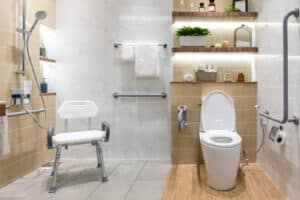
The bathroom is one of the most common places for falls to occur. Wet surfaces, limited space, and frequent transfers between standing and sitting can create significant challenges for older adults.
Several adaptive devices can make these daily routines safer, including:
- Grab bars installed near toilets and inside showers
- Shower chairs or bath benches
- Handheld shower heads
- Raised toilet seats
These devices help reduce the physical effort required during bathing and toileting while providing greater stability.
An occupational therapist can also recommend the safest placement for equipment based on the home’s layout and the senior’s mobility needs.
Making Everyday Dressing Easier
Getting dressed can become frustrating when arthritis, limited shoulder movement, weakness, or reduced balance affects mobility.
Adaptive tools are available to simplify these tasks without requiring another person to complete them.
Common examples include:
- Long-handled reachers for picking up clothing
- Sock aids
- Long-handled shoehorns
- Dressing sticks
- Elastic shoelaces
Although these devices seem simple, they often allow seniors to maintain independence during one of the most personal parts of their daily routine.
Improving Kitchen Safety
Preparing meals involves standing, reaching, bending, lifting, and handling sharp objects. These activities may become difficult after surgery or as mobility changes occur.
Occupational therapists frequently suggest small adjustments that improve both safety and convenience. For example, frequently used dishes and cookware can be relocated to waist-high cabinets to reduce reaching.
Lightweight kitchen tools may also reduce strain on painful joints.
Adaptive utensils with larger grips may make eating easier for individuals experiencing reduced hand strength or arthritis.
These practical changes help seniors continue participating in meal preparation while reducing unnecessary physical stress.
Supporting Safe Mobility Throughout the Home
Moving safely from room to room is one of the most important factors in maintaining independence.
Depending on an individual’s needs, adaptive equipment may include walkers, canes, transfer aids, or other mobility devices recommended by healthcare professionals.
However, equipment alone is only part of the solution.
An occupational therapist evaluates how a senior moves throughout the home and identifies environmental obstacles that may increase fall risk. Recommendations may include rearranging furniture, improving lighting, securing electrical cords, or removing loose rugs.
These modifications often work together with adaptive equipment to create a safer living environment.
Conserving Energy During Daily Activities
Not every challenge involves balance or mobility. Many older adults recovering from illness or living with chronic conditions experience fatigue that makes daily activities more difficult.
Simple energy conservation strategies may include sitting while preparing meals, organizing supplies before beginning an activity, or breaking larger tasks into smaller steps with planned rest periods.
Adaptive equipment often supports these techniques by reducing unnecessary physical effort.
Why Professional Guidance Matters
Families sometimes purchase adaptive devices after reading online recommendations or receiving suggestions from friends. While these devices may be helpful, selecting equipment without a professional assessment can sometimes create new challenges.
Equipment that is improperly fitted or used incorrectly may not provide the intended support.
In-home occupational therapy allows therapists to evaluate how seniors actually perform daily activities within their own homes. This real-world assessment helps ensure equipment recommendations fit both the individual’s abilities and the home’s layout.
Therapists also teach patients how to safely use new equipment so they gain confidence using it independently.
Small Changes Can Produce Meaningful Results
Many families expect dramatic home renovations when they hear the phrase “adaptive equipment.” In reality, some of the most effective changes are surprisingly simple.
A grab bar positioned in the right location, a reacher beside a favorite chair, or a shower bench placed correctly can significantly improve both safety and confidence.
These seemingly minor adjustments often allow seniors to continue completing activities they value without placing themselves at unnecessary risk.
Looking Beyond the Equipment
Adaptive devices are valuable tools, but they work best as part of a comprehensive care plan.
Occupational therapists help individuals improve strength, coordination, balance, and problem-solving skills while also identifying practical solutions for everyday challenges. As abilities change over time, recommendations can be updated to continue meeting the person’s needs.
Providence Healthcare Services understands that maintaining independence involves more than simply recovering from illness. It also means helping individuals continue participating in the routines and activities that give structure and purpose to everyday life.
Through personalized in-home occupational therapy, patients receive individualized evaluations, practical training, and recommendations tailored to their unique situations. Combined with appropriate adaptive equipment, these services help seniors remain safer, more confident, and more independent in the comfort of home.
For families wondering how to support an aging loved one, the right equipment paired with professional guidance can make a meaningful difference. Rather than waiting until an accident occurs, taking proactive steps today can help create a safer home environment and support independence for years to come.
Providence Healthcare Services, a licensed home health care agency, helps families in Miami-Dade and Monroe Counties by providing qualified nurses who offer in-home skilled services. Families can call (305) 220-1088 to request an in-home assessment and learn more about skilled nursing services.
